


How to Balance Hospitality and Profitability in Your Short-Term Rental Business
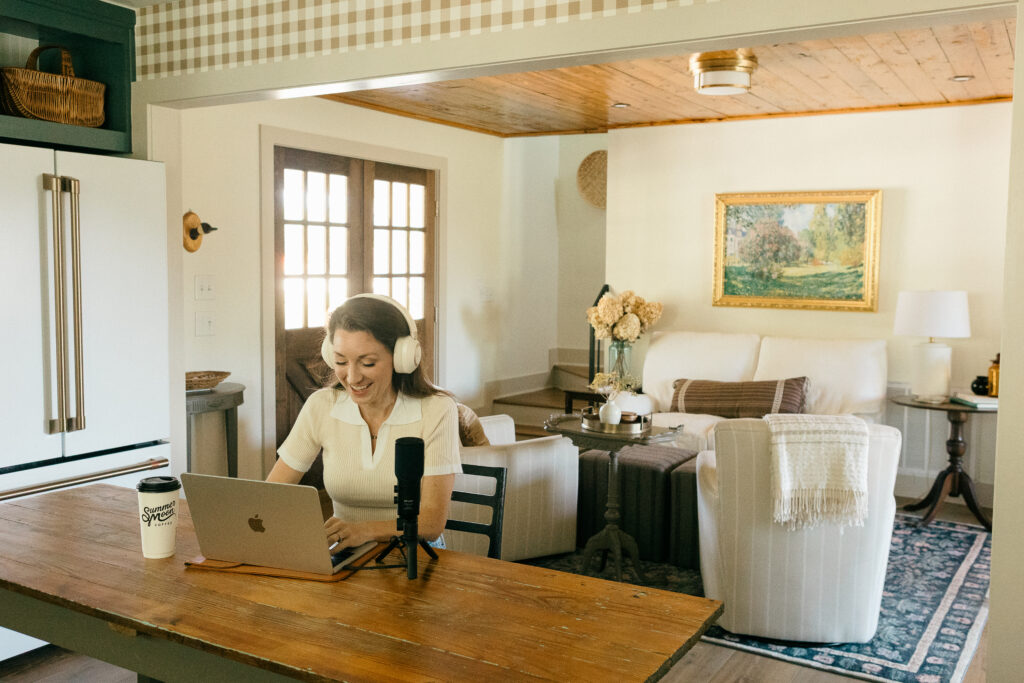
Strong short-term rental operations are what separate overwhelmed hosts from sustainable hospitality businesses. In this episode of the Brand and Market Podcast, I’m sharing the systems, automations, and tools I use behind the scenes to manage multiple short-term rentals while still creating an intentional guest experience.
The Conversation That Sparked This Episode
The inspiration for this episode came from a recent family trip.
My family was traveling to welcome my cousin home from a seven-month deployment, and we had booked a beach house near Camp Lejeune for the week. Because of flight schedules, we asked the host if we could check in just 30 minutes early so my cousin’s girlfriend could arrive and surprise him.
The host agreed — but only if we paid an additional $50.
Now listen, I absolutely understand charging for early check-ins in certain situations. There’s a time and place for it. But in this case, it felt a little disconnected from hospitality. We were already staying for a full week, guests were flying in from across the country, and the request was minimal.
That moment reminded me how often hosts tend to fall into one of two extremes:
- Hosts who focus almost entirely on revenue
- Hosts who focus entirely on guest experience
And the truth is, neither works well on its own. Profit without hospitality feels hollow. But hospitality without profit isn’t sustainable.
Why Operations Are a Huge Part of Your Brand
Even though Brand and Market focuses heavily on branding and marketing, I say this all the time on consult calls: branding touches every major part of your business — including operations.
Your operational systems directly impact the guest experience.
If communication is disorganized, cleaners aren’t coordinated, or guests can’t find the property, that affects how people feel during their stay. That’s why operations matter so much more than most hosts realize.
What Is a PMS?
One of the biggest tools I use behind the scenes is a PMS, which stands for Property Management System.
A PMS helps automate and organize the day-to-day operations of running short-term rentals. That includes things like:
- Guest messaging
- Cleaner coordination
- Booking management
- Calendar syncing
- Direct bookings
- Operational automations
The PMS I personally use is Lodgify, and it has become one of the biggest operational tools in my business.
Why a Unified Inbox Changes Everything
One of the biggest advantages of using a PMS is having one unified inbox.
I manage multiple properties across multiple booking platforms, including Airbnb, VRBO, and direct bookings. Without a PMS, I’d constantly be bouncing between accounts and platforms trying to keep up with guest communication.
Instead, every message comes into one place.
Whether it’s:
- An Airbnb message for a co-hosted property
- A VRBO inquiry
- A direct booking guest message
Everything lives in one inbox.
That helps me:
- Respond faster
- Avoid missing messages
- Save time
- Maintain a better guest experience
Even with a smaller portfolio, consolidating communication makes a huge difference operationally.
How Automated Messaging Improves Hospitality
A lot of people think automation removes the personal touch from hospitality, but honestly, I think the opposite can be true when it’s done intentionally.
One of the best examples is our Kentucky property.
When guests use GPS to get there, many navigation apps mistakenly send them to the back side of the property where there’s no actual entrance. The bigger issue is that once guests get there, they lose cell service entirely.
So before guests arrive, we automatically send detailed directions explaining exactly what to expect and where to turn if GPS reroutes them incorrectly.
That automated message:
- Prevents frustration
- Saves guests time
- Eliminates confusion
- Helps them feel taken care of before a problem even happens
That’s hospitality.
Automation allows me to anticipate needs before guests even realize they have them.
Why Direct Bookings Matter More Than Ever
Another major topic in this episode is direct bookings.
For a long time, many hosts relied almost entirely on Airbnb for reservations. But platform changes over the last year have shown why that can be risky for hosts trying to build sustainable businesses.
When Airbnb adjusted service fee structures for hosts using PMS systems, it significantly impacted profitability for many professional hosts overnight.
That’s why having your own direct booking website matters.
A direct booking site allows you to:
- Own your audience
- Build your brand independently
- Create a better guest experience
- Reduce reliance on third-party platforms
- Have more control over your business
It also forces hosts to start thinking like legitimate business owners rather than relying entirely on OTAs to drive all traffic and bookings.
Automating Communication With Cleaners and Teams
One of my favorite operational features inside Lodgify is automating communication with cleaners and property contacts.
Whenever a reservation is made:
- Cleaners are automatically notified
- Property owners receive updates
- On-site support contacts are informed
For our Kentucky property specifically, we have long-term tenants on-site who help manage things like:
- Propane refills
- Acreage maintenance
- Property upkeep
Instead of manually texting everyone every time a booking comes through, those notifications happen automatically.
I’ve even automated monthly reminders for property maintenance tasks like checking light bulbs throughout the house.
Those systems:
- Save time
- Reduce mental load
- Improve consistency
- Support a better guest experience
And honestly, that operational peace of mind is invaluable.
Building a Business That Supports Both Profit and Hospitality
At the end of the day, hospitality businesses need systems.
Without systems, everything becomes reactive and exhausting. But when you create strong operational workflows, you leave room for both profitability and genuine hospitality.
That’s really the heart of this episode.
You don’t have to choose between:
- Running a profitable business
- Creating meaningful guest experiences
You can absolutely do both.
And often, the systems you put in place are what make that balance possible.
Short-term rentals are no longer just passive investments. If you want long-term success, you have to approach your business intentionally.
That means:
- Creating systems
- Building operational efficiency
- Developing your own brand
- Prioritizing guest experience
- Thinking beyond the booking platforms
Because profit without hospitality feels hollow — but hospitality without profit isn’t sustainable.
The magic happens when you build systems that support both.
Leave a Reply
Let's talk business.
@brandandmarket.co
find me on


© 2025 ali rae haney productions, llc. all rights reserved. privacy policy. site by Ali Rae Haney + Showit

schedule discovery call
Ready to make your listing into a legacy?