


Airbnb Fall 2026 Updates: What Every Short-Term Rental Host Needs to Know
Airbnb just released its Fall 2026 updates, and if you’re a short-term rental owner, there are a few things you need to pay attention to.
Some of these changes are helpful. Some are questionable. And a few have me wondering just how much control Airbnb thinks it should have over the businesses that make its platform possible.
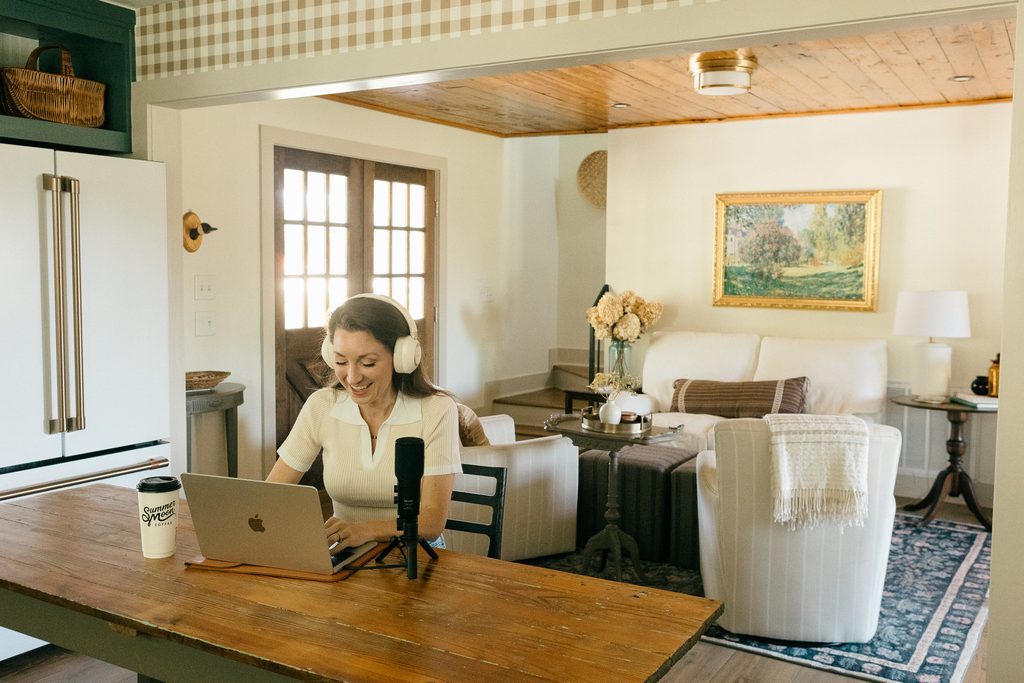
In this episode of the Brand & Market Podcast, I’m breaking down the latest Airbnb updates, including several policy changes that impact hosts, guests, and even cleaners. We’re also talking about new AI-powered tools, dynamic pricing, 3D floor plans, guest discounts, and what these changes mean for the future of your short-term rental business.
But before we get into all of that, here’s the biggest takeaway: If Airbnb is your only source of bookings, it’s time to start thinking about a contingency plan.
Let’s get into it.
Airbnb’s New Cleaning and Checkout Policies: What Hosts Can and Can’t Require
Let’s start with the update that’s getting the most attention: Airbnb’s changes to checkout and cleaning procedures.
Airbnb has introduced a policy that prohibits hosts from requiring unreasonable checkout procedures. The important word here is unreasonable because Airbnb ultimately gets to determine what falls into that category.
And this is where things get a little frustrating.
Every property is different. The checkout procedures that make sense for a 6,000-square-foot home with five bedrooms and five-and-a-half bathrooms aren’t necessarily going to make sense for a 1,600-square-foot property.
For example, at our Kentucky property, we ask guests to strip the beds and place the linens in the laundry room. If they’re willing, we also ask them to start a load of laundry and run the dishwasher.
Why? Because we’re working with a five-hour turnover window on a same-day reservation. Having those things started before the cleaner arrives makes a huge difference in the time and efficiency of the turnover.
At our Virginia property, the expectations are much simpler. Guests can leave their linens as they are, and we simply ask them to start the dishwasher if there are dirty dishes and take the trash to the bin.
Different properties, different needs, different checkout procedures.
Under Airbnb’s updated policy, hosts can no longer require certain tasks, including stripping beds, washing and putting away dishes, or taking trash to an off-site facility. Hosts can still request some of these things, but there’s a difference between requesting and requiring.
And while I understand that guests shouldn’t be handed a massive cleaning checklist after paying a cleaning fee, I also think there’s value in understanding that every property operates differently.
This is another reminder of how little control hosts have over reservations that come through Airbnb. Even when something works well for your property and your cleaning team, the platform can change the rules.
Airbnb Is Restricting Rental Agreements for Hosts
The second major policy change involves rental agreements.
Previously, hosts could request that guests sign a rental agreement whether they booked directly or through an online travel agency like Airbnb or VRBO.
Now, Airbnb is restricting the ability to require rental agreements through its platform unless certain exceptions apply.
Some of those exceptions include:
- HOA requirements: If your homeowners association requires a rental agreement or guest verification to access the property.
- Local or state laws: If your municipality or state requires rental agreements for short-term rentals. North Carolina is one example mentioned in the policy discussion.
- Airbnb Luxe listings: Certain listings within Airbnb’s Luxe category are exempt.
- Specific amenities or liability concerns: If your property has amenities that require additional guest verification or acknowledgment, such as a golf cart with age restrictions.
I personally believe rental agreements serve an important purpose. They help protect both the owner and the guest by establishing expectations before someone arrives at your property.
As hosts, we’re taking on a certain level of liability every time someone books our rental. Whether you have a golf cart, hot tub, pool, or another amenity that introduces additional risk, having clear expectations matters.
The frustrating part is that these changes can force hosts to completely rethink systems they’ve had in place for years.
Airbnb announced these policy changes on October 20, 2026, with the new policies scheduled to take effect November 20, 2026. That gave hosts just 30 days to review their procedures and make adjustments.
That’s a pretty short window when you’re talking about changing the way you operate your business.
Airbnb Is Limiting How Hosts Collect Guest Email Addresses
This third policy change is another big one, especially if you use StayFi or similar tools to collect guest email addresses.
Airbnb is restricting hosts from requesting a guest’s email address in exchange for access to a basic amenity.
For example, if you’ve been using StayFi to collect email addresses before allowing guests to connect to your property’s Wi-Fi, that practice is no longer permitted under the updated policy.
Now, I want to distinguish between collecting an email address in exchange for a basic amenity and giving guests the opportunity to voluntarily opt into your marketing.
Those aren’t necessarily the same thing.
A QR code that allows guests to voluntarily sign up for your email list appears to be a different situation than requiring an email address to access Wi-Fi.
I’ve always approached Airbnb as a marketing channel. Let Airbnb introduce your property to a guest for the first time, but give that guest opportunities to become a repeat customer through direct bookings.
That doesn’t mean you’re doing something wrong by using Airbnb. It means you’re thinking beyond the initial reservation.
And when platforms begin restricting the ways you can communicate with guests outside of their ecosystem, it becomes even more important to build a marketing strategy that you control.
Why Every Short-Term Rental Owner Needs a Direct Booking Website
If there’s one message I want you to take away from these policy changes, it’s this:
Airbnb should be a booking channel, not your entire business model.
I am not telling everyone to pull their listings off Airbnb tomorrow. That’s not realistic, and for many hosts, Airbnb is an important source of reservations.
But you need a contingency plan.
We’ve seen Airbnb make changes that directly impact host profitability and operations, including the increase to its host service fee to 15.5%. Now we’re seeing additional restrictions around checkout procedures, rental agreements, and guest communication.
Airbnb is going to make decisions that benefit Airbnb. That’s what businesses do. The problem is when your entire revenue stream depends on decisions made by someone else.
Direct bookings give you more control over the guest relationship, your marketing, and the overall experience.
And if you don’t have a direct booking website yet, I would encourage you to start looking into your options.
A custom website isn’t the only solution. You could use a templated website through your property management system or even explore AI tools to help you get something up and running.
The important thing is that you have a way for guests to find and book your property outside of the major OTAs.
A Special Direct Booking Website Offer
Because I feel so strongly about this, Brand & Market is offering a special promotion through November 20, 2026.
I’m taking on five clients for direct booking websites at $2,499, which is nearly half of our typical investment.
This package includes:
- A custom Squarespace direct booking website.
- Integration with your property management system.
- Website copywriting.
- A streamlined process that skips the traditional full brand strategy and visual identity process.
We can integrate with platforms like Lodgify, Hospitable, Hostaway, Guesty, and Hostfully.
To get started, we’ll need your existing listing photos and Airbnb listing so we can pull information about your amenities and get a better understanding of your property and its ideal guest.
Whether you work with us or find another solution, please don’t wait until Airbnb makes another change to start thinking about your booking strategy.
Airbnb’s New AI Earnings Insights Dashboard
Now let’s get into some of the other Fall 2026 updates.
Airbnb is introducing an AI-powered earnings insights dashboard designed specifically for smaller hosts with five or fewer properties.
The dashboard is intended to help hosts understand how their listings are performing, including:
- Overall revenue.
- How their revenue compares to similar listings in their market.
- Potential opportunities to improve performance.
- Suggested adjustments, such as turning on Instant Book or adding amenities.
At first glance, this sounds helpful. Who doesn’t want a better understanding of how their property is performing?
But here’s where I want you to be careful.
Anytime a platform suggests that you turn on Instant Book, offer another discount, or add a particular amenity, take a minute before making that decision.
Ask yourself whether that recommendation is actually good for your business or whether it primarily benefits the platform.
For example, we have Instant Book enabled on Airbnb, but we have certain requirements in place, including verified identification and a history of positive reviews.
On VRBO, we previously had Instant Book enabled without the same ability to establish guest requirements. We ended up with a guest who had a 3.4-star rating instantly booking one of our properties.
That created an entirely different problem for us.
So while making it easier for guests to book might benefit Airbnb, it doesn’t automatically mean it’s the best decision for the host.
Building Your Own AI Dashboard for Your STR Portfolio
I’ve actually been experimenting with AI in my own short-term rental business.
I recently participated in a three-day boot camp with Callen Faulkner, founder of The Uncommon Business, which really opened my eyes to the ways AI could help automate tasks and make both business and personal life more efficient.
One of the things I’ve created since then is an AI-powered dashboard for our short-term rental portfolio.
I wanted a way to see how the entire portfolio was performing, as well as how each individual property was doing.
The challenge was figuring out how to use AI without giving it access to sensitive guest information inside our property management system.
Instead of connecting AI directly to the entire system, I found a workaround.
I download monthly CSV reports from each property and upload those reports into AI. That gives me access to the information I actually need, without exposing the full property management system.
I’m looking at things like:
- Overall revenue.
- Occupancy rates.
- Average daily rates.
- Open dates and booking patterns.
- Weekday versus weekend performance.
- Opportunities to adjust pricing.
Essentially, I’m allowing AI to look at the numbers through a different lens and identify opportunities that I might not immediately see as the operator.
And honestly, I think this can provide far more value than simply relying on the suggestions Airbnb gives you.
You can build something tailored to your business, your goals, and your individual properties instead of following recommendations that might not have your best interests at heart.
Airbnb Is Introducing a New Dynamic Pricing Tool
Another update is Airbnb’s introduction of a dynamic pricing tool.
Now, dynamic pricing isn’t new to the short-term rental industry, and I’ve been using PriceLabs alongside Lodgify for quite some time.
PriceLabs analyzes market demand, booking trends, and other factors to adjust nightly rates based on what’s happening in your market.
When we first implemented it, I approached dynamic pricing as a set-it-and-forget-it solution.
I established our minimum and maximum nightly rates, set minimum stay requirements, and allowed the software to make pricing adjustments.
For specific events, like the Kentucky Derby, I manually entered dates and adjusted pricing based on what I knew we could earn.
It was certainly better than static pricing, but it wasn’t perfect.
We eventually started noticing that some of our properties were still priced too high during the slower season. We were seeing nightly rates around $750 when the market might have supported something closer to $600–$650.
That’s when we brought in a revenue manager to actively monitor and manage our pricing.
Why I Wouldn’t Rely Solely on Airbnb’s Smart Pricing
Based on what I’ve seen so far, Airbnb’s new dynamic pricing tool appears to have similarities to its existing Smart Pricing feature.
And if you’ve been hosting since 2019, you might remember why some of us turned that feature off.
When we first started hosting, Airbnb’s Smart Pricing suggested listing our three-bedroom, two-and-a-half-bath property for $85 per night.
For context, this was a property on half an acre with a fenced-in yard, located about half a mile from the water and ten minutes from a military base.
That pricing made absolutely no sense.
The problem was that the algorithm appeared to be averaging properties across the market without adequately accounting for the differences between them.
A shared room, a studio apartment, and a five-bedroom beachfront home are not comparable properties.
And when you’re pricing your rental, those distinctions matter.
Airbnb’s new dynamic pricing tool allows hosts to establish minimum and maximum nightly rates, with pricing adjusting daily within that range based on demand.
I can see where this might be helpful for someone with one property who primarily books through Airbnb.
But as you grow your portfolio, I strongly encourage you to take ownership of your revenue management strategy.
Dynamic pricing is a tool. It shouldn’t replace understanding your market, knowing your property, and actively monitoring your numbers.
Airbnb Is Introducing a New Top-Rated Guest Discount
Airbnb is also introducing a discount option for guests with a rating of 4.8 or higher and at least three reviews.
Hosts can offer these guests an additional 15% discount.
And I have some thoughts about this one.
We already offer certain discounts, including advance booking discounts and last-minute discounts when they make sense for our properties.
But now we’re being encouraged to offer another discount to guests who have a 4.8 rating or higher.
A 4.8 rating isn’t necessarily a difficult threshold to meet, and I don’t personally see the value in automatically giving someone another 15% off simply because they’ve received positive reviews.
You need to look at your margins before adding another discount to your pricing strategy.
Just because Airbnb introduces a new feature doesn’t mean you need to use it.
You don’t get a discount for doing the bare minimum of being a good human. I’m sorry.
Airbnb Is Adding 3D Floor Plans to Listings
Here’s one update that I actually like.
Airbnb is rolling out the ability for hosts to create 3D floor plans directly through the Airbnb app using an iPhone.
The feature is designed to scan your property, identify basic amenities, and create a visual floor plan that guests can use when planning their stay.
I can see this being incredibly helpful, especially for properties with unique layouts.
Take our Kentucky property, for example.
It’s a 6,000-square-foot home with five bedrooms and five-and-a-half bathrooms. What’s interesting about the layout is that three of the bedroom and bathroom combinations are on the first floor, while only two are upstairs.
We still get questions about which bedrooms are located on which floors, even though we clearly identify the rooms in our listing photos.
A 3D floor plan gives guests a much better understanding of how the property is laid out before they arrive.
It also helps guests plan their stay based on their needs, whether they’re traveling with multiple generations, friends, or family members who may have different accessibility considerations.
And from the host’s perspective, anything that reduces repetitive guest questions is a win in my book.
This is one update I’m excited to try with our properties.
Airbnb Is Testing AI-Powered Search
Another new feature is AI-powered search.
Instead of relying exclusively on traditional search filters, guests can search using everyday language to describe what they’re looking for.
For example, someone might search for:
“A cabin with a hot tub where my dog can come.”
The AI search feature uses information from property listings to help identify properties that match those descriptions.
I haven’t personally had the opportunity to test this feature yet, but I’m interested to see how it works.
One thing that stood out to me is that Airbnb appears to be using AI to generate its own listing summaries based on the information hosts provide.
That means it’s even more important to make sure your listing is accurate and up to date.
Have you added a new amenity recently? Did you update your listing?
If you haven’t, now is the time.
As search becomes more conversational and AI-driven, the information available about your property matters. You want to make sure that the features and experiences you’re offering are actually represented in your listing so the right guests can find you.
Airbnb Is Expanding Add-On Services for Guests
The final update I want to cover is Airbnb’s introduction of additional services guests can utilize during their stay.
Some of the examples include:
- Grocery delivery.
- Laundry services.
- Baby gear rentals.
When we recently booked an Airbnb for an upcoming family trip, I noticed the grocery delivery option while searching for properties.
And I immediately had questions.
Does this mean groceries are delivered to the front porch? Does a third-party service have access to the property? How does that actually work?
I’m still curious about the logistics.
But what interests me even more is the potential impact on other service providers already operating in the short-term rental industry.
There are platforms like HostCo and Bellhop that allow hosts to offer additional services and generate revenue from guest purchases.
For example, if a guest purchases $100 in groceries and the host receives a 5% commission for promoting that service, that’s another $5 in revenue.
It might not seem like much, but those additional revenue streams can add up.
My question is whether Airbnb’s new add-on services will eventually limit the opportunities hosts have to work with other third-party providers.
I don’t have all the answers yet, but it’s something worth watching.
Once again, it comes back to understanding that Airbnb’s priorities may not always align with yours as a property owner.
What These Airbnb Updates Mean for Your Short-Term Rental Business
When you look at all of these updates together, there’s a bigger picture emerging.
Airbnb is continuing to introduce features designed to make booking easier for guests, encourage more reservations, and keep more of the guest experience within its platform.
Some of these features are genuinely helpful. I’m excited about the potential of 3D floor plans, and I think AI can provide valuable insights when used strategically.
But other changes make me question how much control hosts are expected to give up in exchange for access to the platform.
And that’s why I keep coming back to the same message: You need to treat your short-term rental like a business.
That means understanding your numbers, having a pricing strategy, creating multiple revenue streams, building a recognizable brand, and developing a marketing strategy that doesn’t depend entirely on Airbnb.
One of the things I started doing after attending the Empowered Podcasting Conference in August was setting up Google Alerts for industry-specific keywords.
I now receive alerts for Airbnb, VRBO, boutique hotels, and hospitality.
I’ll be honest. Sometimes I miss the version of myself who lived under a rock and didn’t see every single article about Airbnb.
Awareness can be exhausting.
But it also means I have the information I need to make better decisions for my business.
For example, I now have a plan to implement 3D floor plans across our properties to reduce guest questions and make the booking experience more intuitive.
That’s a tangible operational improvement that came from simply paying attention.
You don’t have to adopt every new feature. You don’t have to be the first person to try every new technology. And you certainly don’t have to follow every recommendation a booking platform makes.
But you do need to understand what’s changing and decide how those changes impact your business.
Key Takeaways for Short-Term Rental Owners
Here’s a quick recap of what you need to know from Airbnb’s Fall 2026 updates:
- Checkout procedures are changing. Airbnb is restricting what hosts can require guests to do before checkout, including stripping beds and certain cleaning tasks.
- Rental agreements are being restricted. Hosts may no longer be able to require rental agreements through Airbnb unless specific exceptions apply.
- Guest email collection is changing. Hosts cannot require an email address in exchange for access to basic amenities like Wi-Fi.
- AI earnings insights are rolling out. Airbnb is introducing a dashboard to help smaller hosts evaluate revenue and identify opportunities.
- Dynamic pricing is expanding. Airbnb is introducing a pricing tool, but hosts should still understand their markets and actively manage revenue.
- A new top-rated guest discount is available. Hosts can offer qualifying guests an additional 15% discount, but that doesn’t mean you should.
- 3D floor plans are coming. Hosts will be able to scan their properties using an iPhone to create more intuitive listing layouts.
- AI-powered search is evolving. Guests will be able to search using natural language, making accurate listing information even more important.
- Add-on services are expanding. Grocery delivery, laundry, and baby gear rentals are among the additional services being introduced.
Most importantly, don’t let these updates catch you off guard.
Build a business that can withstand changes you don’t control.
There’s a lot happening in the short-term rental industry, and these Airbnb updates are another reminder that we need to stay informed, think strategically, and take ownership of the businesses we’re building.
You don’t have to abandon Airbnb. You just need to stop treating it as your entire business model.
Build your brand. Develop your marketing strategy. Create direct booking opportunities. Understand your numbers.
And remember, the goal isn’t just to get more bookings. It’s to build a business that works for you.
I’d love to hear your thoughts on these updates! Come connect with me over on Instagram at @brandandmarket.co and tell me which change you think will have the biggest impact on your business.
Here’s to being the best in your brand and your market!
Leave a Reply
Let's talk business.
@brandandmarket.co
find me on


© 2025 ali rae haney productions, llc. all rights reserved. privacy policy. site by Ali Rae Haney + Showit

schedule discovery call
Ready to make your listing into a legacy?