


Boutique Hotel Conversion: The Latest Update on Our Virginia Project
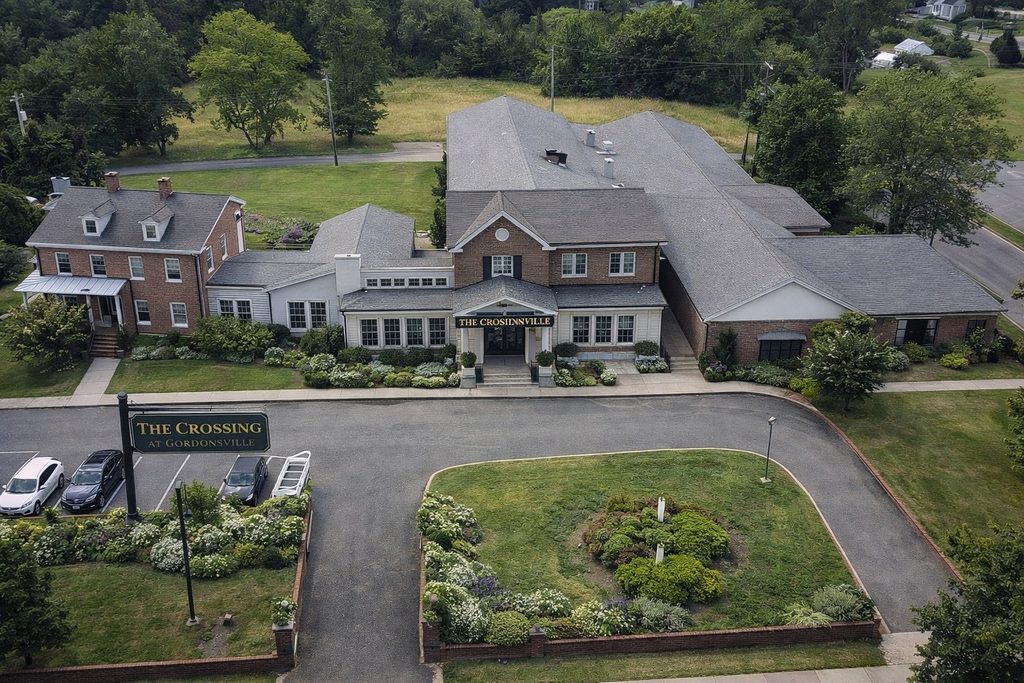
Have you ever driven past a building you’ve seen a hundred times and suddenly looked at it through an entirely different lens?
That’s exactly what happened when I came home to Virginia for Christmas in 2025. I’d always known the building as an assisted living facility. Suddenly, I saw an opportunity for a boutique hotel conversion.
The vision was bigger than renovating an old building. We could serve the local wedding industry, create memorable guest experiences, and bring something meaningful back to the community.
Since then, we’ve spent months researching the property. We’ve walked it with architects and contractors, revisited our underwriting spreadsheets, and questioned our original assumptions.
And yes, this project is still going.
I’m sharing where we stand, what we’ve learned, and why this opportunity has challenged me in unexpected ways.
If you’ve ever considered a larger real estate investment or a hospitality project outside your comfort zone, this behind-the-scenes look is for you.
Why This Location Made Sense
This project is a little different from the short-term rentals I’ve worked on in the past. It’s my first commercial real estate project, and the opportunity came from a place I know well.
The property is in Virginia, near where I grew up. The building has served several purposes over the years, including a hospital, a school, and most recently, an assisted living facility.
When I started looking at it as a potential hospitality property, I began thinking about the surrounding area and what it needed.
There are wineries nearby that host weddings and events. However, accommodations can be difficult to find close to those venues. Guests may need to drive approximately 45 minutes toward the interstate or Charlottesville to find a hotel.
That creates a potential opportunity.
What if we could give wedding guests, couples, and other travelers a beautiful place to stay without requiring them to drive so far? What if the property became a destination of its own rather than simply a place to sleep?
That’s where the idea of a boutique hotel started to take shape.
I didn’t want to take an old building, renovate the rooms, and call it a day. I wanted to create an experience that felt connected to the property’s history and the surrounding community.
Of course, loving the idea and making the numbers work are two very different things. Before getting too far ahead of ourselves, we needed to understand what it would take to bring the building back to life.
The First Big Question: What Will Renovation Cost?
One of the biggest challenges with a project like this is understanding the cost before you own the property and can fully investigate every detail.
This isn’t a typical short-term rental where you can estimate the cost of replacing furniture, updating a kitchen, or adding a few amenities. We’re talking about a large commercial building with a complicated history and a significant amount of space.
The building is approximately 23,500 square feet. That is a lot of space to renovate, furnish, maintain, and eventually operate.
We started talking with contractors and other professionals to get a better idea of the scope.
One estimate came in at approximately $20 million to $25 million for renovations alone.
Let that sink in for a second.
When you’re working on a project of this size, the difference between a renovation budget that works and one that doesn’t can completely change the direction of the investment.
We also started looking at the numbers from another angle. If we used a rough estimate of $400 per square foot across approximately 25,000 square feet, that would put renovation costs around $10 million. Even after factoring in exterior improvements and amenities, we initially thought a total closer to $15 million might be possible.
Another contractor later estimated the project at approximately $3 million to $3.5 million.
Those estimates are dramatically different, and they’re not final construction bids. They’re early estimates that show just how much we still need to understand about the building and the work required.
This is also why I don’t believe you should build an investment strategy around one number someone gives you during an early conversation.
You need to ask questions, understand what’s included, and get input from people who know the type of project you’re taking on.
For us, the next step was to dig deeper into the building itself.
What We Learned About Historic Tax Credit Eligibility
Because of the building’s history, we began investigating whether historic tax credits could help offset some of the renovation costs.
Historic tax credits can be worth exploring when you’re working with an older building. Depending on the property and the program requirements, they may provide a financial incentive for rehabilitating qualifying historic structures.
However, the rules are specific. You can’t assume that an old building automatically qualifies or that every dollar spent on a renovation will be eligible.
We started reviewing the property’s documentation and researching the applicable requirements.
Based on the documents we reviewed, the property’s period of historic significance appeared to center around 1936. Much of the building was constructed before 1930, which initially made the historic tax credit route worth investigating.
But there was a complication.
Based on our preliminary review, only about 20% of the approximately 23,500-square-foot building might fall within the relevant historic period. At the same time, pursuing the credits could mean that renovation work throughout the building would need to follow historic preservation specifications, even if the credits applied to only a portion of the property.
That distinction matters.
A historic building can be beautiful, full of character, and an exciting opportunity for a hospitality project. But preserving that character while meeting modern building requirements and staying within a workable budget takes careful planning.
We needed to determine whether the potential financial benefit justified the additional requirements, cost, and complexity.
If you’re exploring a similar project, don’t assume historic tax credits will automatically make the numbers work. Start with the documentation, research the program requirements, and talk to qualified professionals before building those credits into your underwriting.
Here are two resources we used to begin researching the topic:
- Virginia Department of Historic Resources: https://www.dhr.virginia.gov/programs/tax-credits/
- National Park Service Historic Preservation Tax Incentives: https://www.nps.gov/subjects/taxincentives/
These resources are starting points for understanding the programs. Eligibility and the requirements for a particular property need to be confirmed with the appropriate professionals and agencies.
Why We Decided Not to Pursue the Credits
After digging into the details, we decided not to pursue the specific historic tax credits we had been investigating.
That doesn’t mean we’re abandoning the property’s history.
Quite the opposite.
The building’s character is one of the things that makes the opportunity so interesting. We want to preserve the sense of history and create a guest experience that feels special. We simply don’t want to force the entire project into a financial and construction model that doesn’t make sense for the business.
This is an important distinction when you’re evaluating a real estate investment.
Sometimes, an opportunity looks attractive because of a potential benefit, incentive, or strategy. But when you work through the details, you discover that the benefit comes with trade-offs that change the equation.
It’s easy to get attached to a particular idea because it sounds good on paper. The challenge is being willing to reconsider it when the research points in another direction.
For us, the goal isn’t to check every possible box. The goal is to create a financially viable property that delivers an exceptional hospitality experience.
Historic tax credits were one avenue worth exploring. Once we understood the limitations, we could move forward with a clearer picture of what we needed to evaluate next.
What We Did Instead of Guessing
If there’s one thing this project has reinforced for me, it’s that you cannot figure out a commercial hospitality investment by yourself with a spreadsheet and a good idea.
You need the right people around you.
We’ve had conversations with contractors, engineers, project managers, and other hospitality professionals. We’ve also sought guidance from people who understand hotel operations and commercial real estate.
One of those conversations was with Brian Tubal of Aligned Hospitality Management. Getting input from people who understand the operational side of hospitality is important because the building is only one part of the equation.
You can create a beautiful property, but you still need to understand how it will function as a business.
That means thinking through the guest experience, staffing, operations, amenities, maintenance, and the many details that come with running a hotel.
We also connected with a commercial banker, Ian Joseph, as we worked to better understand the financial side of the project.
Another helpful resource was the architect who had previously worked on the building. Having access to existing as-built plans gave us a better starting point for understanding the structure and evaluating what might be possible.
Every conversation has helped us ask better questions.
We’re also working through the numbers repeatedly. I’ve created approximately 25 versions of our underwriting spreadsheet as we’ve tested different assumptions and scenarios.
Yes, 25.
That might sound excessive, but the numbers change as you learn more. Construction estimates change. Your assumptions about operating costs change. You learn something new about the property, and suddenly the scenario you were confident in last week needs another look.
Underwriting isn’t about making the spreadsheet say what you want it to say. It’s about testing whether the opportunity still makes sense when you challenge your assumptions.
I would much rather discover a problem during due diligence than after we’ve committed to a project of this size.
The Mindset Shift That Helped Me Move Forward
There has been another challenge throughout this process, and it doesn’t have anything to do with construction costs or tax credits.
It’s the mental side of pursuing something bigger than what you’ve done before.
I’ve owned and operated short-term rentals. I’ve built a business, worked in hospitality, and spent years thinking about guest experiences and branding. But this project is different.
It’s commercial real estate. It’s a much larger financial commitment. There are more people involved, more variables to consider, and plenty of opportunities to question whether you’re the right person to take it on.
And if I’m being honest, I’ve had moments of imposter syndrome.
It’s easy to feel confident when you’re working in an area you already know. It’s a different feeling when you step into something new and realize how much you still have to learn.
You can spend months researching, asking questions, and refining your plan. At some point, though, you have to decide whether you’re willing to take the next step.
For me, that became especially clear during a mastermind in Cancun.
I was working through the project and thinking about all the things I still needed to figure out. I had been analyzing the opportunity, revisiting the numbers, and trying to get comfortable with the uncertainty.
My action item from that experience was simple: submit the damn LOI.
Sometimes, you don’t need another month of thinking. You need to take the next appropriate step.
That doesn’t mean ignoring the risks or making a decision before you’ve done your homework. It means recognizing when research has become a way to delay a decision because the next step feels uncomfortable.
My potential partner, Heather, has also been supportive throughout this process. Having someone to work through the opportunity with makes a difference, especially when you’re navigating a project that comes with so many unknowns.
The goal isn’t to eliminate every ounce of uncertainty before moving forward. That’s probably impossible with a project like this.
Instead, we’re working to understand the risks, gather the right information, and make informed decisions as we go.
Due Diligence and Confidence Can Exist at the Same Time
One of the biggest lessons I’ve learned through this process is that confidence doesn’t mean knowing everything.
It means being willing to ask questions, seek advice, and make decisions based on what you’ve learned.
You don’t have to be the expert in every part of a project. You do need to know where your knowledge ends and where you need help.
That’s why we’ve brought in people with experience in construction, engineering, hospitality operations, and commercial financing.
Each person brings a different perspective. Those perspectives help us see potential problems, challenge assumptions, and understand what we need to investigate further.
The goal is not to rush into a deal simply because we’re excited about the vision. It’s also not to let the size of the project stop us from exploring a potentially worthwhile opportunity.
Both things can be true: the project can be exciting, and it can be risky.
You can believe in the vision while still asking whether the numbers support it.
And you can take a bold step without pretending you have every answer.
That’s the balance we’re trying to find with this project.
Building a Hotel That Belongs in the Community
As we’ve worked through the financial and construction questions, we’ve continued to develop the vision for the property.
Our working name is The Crossing at Gordonsville.
The goal is to create a boutique hotel with approximately 30 rooms. We want the experience to feel historically significant but not stuck in the past.
Think color, character, thoughtful design, and memorable experiences. Above all, we want guests to feel like they’re somewhere special, not simply checking into another hotel room.
Branding is a critical part of this boutique hotel conversion. The design, amenities, and guest experience all need to communicate a cohesive vision.
I think about the types of guests who might stay here, the reasons they would choose this property, and what would make them want to return.
Wedding guests are an important part of the opportunity because of the nearby wineries and event venues. But I don’t want the hotel to serve only one type of traveler.
My desire is for it to feel like a destination for couples, groups, and people who want a thoughtful hospitality experience in Virginia.
A Guest Experience With Character
One idea is to create an ornate, memorable check-in experience that immediately communicates the personality of the property.
We’re also exploring the possibility of a speakeasy-style bar. I love the idea of having a space that feels intimate and distinctive, somewhere guests can gather and enjoy an evening without needing to leave the property.
Food is another part of the vision. Depending on what proves feasible, we could explore a bistro-style concept, guest chef experiences, or a catering kitchen that supports weddings and other events.
These are ideas we’re evaluating, not finalized plans. Each one needs to make sense from an operational, financial, and guest-experience standpoint.
Still, thinking through these possibilities helps us understand what the property could become.
Amenities That Give Guests More Reasons to Stay
We’re also considering wellness-focused amenities, including spa treatment rooms for services such as massages and facials. There may be opportunities to accommodate hair and makeup services for wedding parties, too.
Other ideas include a sauna, cold plunge, outdoor pool, and thoughtfully designed landscaping.
The important thing is that these features shouldn’t feel like a random list of amenities added to make the property look impressive.
They should support the overall experience.
If we’re going to create a boutique hotel, I want the property to feel cohesive. The rooms, common areas, amenities, food and beverage offerings, and service should all work together.
We also need to evaluate which amenities are financially practical and what it would take to operate them well. Every feature has an upfront cost, ongoing maintenance requirements, and staffing implications.
The vision is exciting, but the execution has to be realistic.
Creating Opportunities Beyond the Guest Rooms
Another part of the opportunity is the hotel’s potential relationship with the surrounding community.
A property like this could create local employment opportunities and partnerships with nearby businesses. We could explore ways to work with local vendors, service providers, food professionals, and other hospitality businesses.
That matters to me.
I don’t want this to be a property that exists separately from its surroundings. I want it to become a place that contributes to the area and gives people another reason to visit.
The location, the building’s history, and the nearby wedding industry give us a starting point. Our next step is figuring out how to turn that potential into a sustainable business.
The Reality Behind a Big Hospitality Project
It’s easy to see a finished hospitality property and assume the process was straightforward.
You see the beautiful rooms, the thoughtfully designed common areas, the amenities, and the guest experience. What you don’t necessarily see the dozens of conversations, the changing estimates, the spreadsheets, or the decisions that happen before construction even begins.
That’s where we are right now.
We’re still working through the details, still asking questions and still trying to understand what the property needs and whether the opportunity makes sense financially.
There are no guarantees that every idea will make it into the final project. Some things may change as we learn more, and that’s part of the process.
I think it’s important to share that side of real estate investing, especially when we’re talking about larger projects.
The goal isn’t to make every deal work at any cost. It’s to evaluate the opportunity honestly and determine whether the risks, investment, and potential return make sense.
Sometimes that means adjusting the vision. Sometimes it means changing the numbers. And sometimes it means walking away from an opportunity that no longer makes sense.
For now, we’re continuing to do the work.
What’s Next for The Crossing at Gordonsville?
At the time of recording this episode, we had submitted a letter of intent, or LOI, and were waiting for a response.
Submitting the LOI was an important step because it moved the project beyond conversations and spreadsheets into a more concrete stage of the process.
It didn’t mean the deal was done. There were still questions to answer, details to negotiate, and due diligence to complete.
But it represented progress.
We’re continuing to evaluate the financials, gather information from the professionals involved, and work through what it would take to bring the property to life.
I’m excited about the potential, but I’m also trying to stay grounded in the numbers and the realities of operating a hotel.
That’s the balance: building a vision for what something could become while making sure the business behind it has a solid foundation.
I also want to share more of this process as it unfolds. There’s so much to learn when you move from short-term rentals into a larger commercial hospitality project, and I know I’m not the only person interested in what that transition looks like.
Whether you’re considering your first investment property, exploring a larger acquisition, or simply curious about the business behind boutique hotels, I hope sharing the process gives you a better understanding of what happens behind the scenes.
Because the truth is, the pretty pictures are only one part of the story.
The research, the numbers, the people you bring into the process, and the decisions you make along the way matter just as much.
And sometimes, the biggest step is simply being willing to take the next one.
If you’re considering a larger real estate or hospitality investment, here are a few lessons I’m taking away from this project so far:
- Don’t build your entire plan around one estimate. Early renovation numbers can vary significantly. Ask questions, understand what’s included, and gather input from qualified professionals.
- Research incentives before including them in your underwriting. Historic tax credits can have specific requirements. Confirm eligibility and understand the trade-offs before counting on them.
- Bring in people who know what you don’t. Contractors, engineers, hospitality operators, architects, and commercial lenders can each help you evaluate a different part of the opportunity.
- Keep revisiting your numbers. Underwriting should change as you learn more. The goal is to test your assumptions, not force the deal to work.
- Don’t confuse confidence with having every answer. You can take a meaningful next step while continuing to learn, ask questions, and evaluate risks.
- Think beyond the building. A successful hospitality property needs more than beautiful rooms. The guest experience, operations, amenities, branding, and connection to the community all matter.
Most importantly, remember that a big opportunity doesn’t have to be a perfect opportunity. It needs to be one you understand well enough to make an informed decision.
If you’re working on a hospitality project of your own, I’d love to hear about it. Sometimes the best lessons come from sharing what we’re learning along the way.
Leave a Reply
Let's talk business.
@brandandmarket.co
find me on


© 2025 ali rae haney productions, llc. all rights reserved. privacy policy. site by Ali Rae Haney + Showit

schedule discovery call
Ready to make your listing into a legacy?